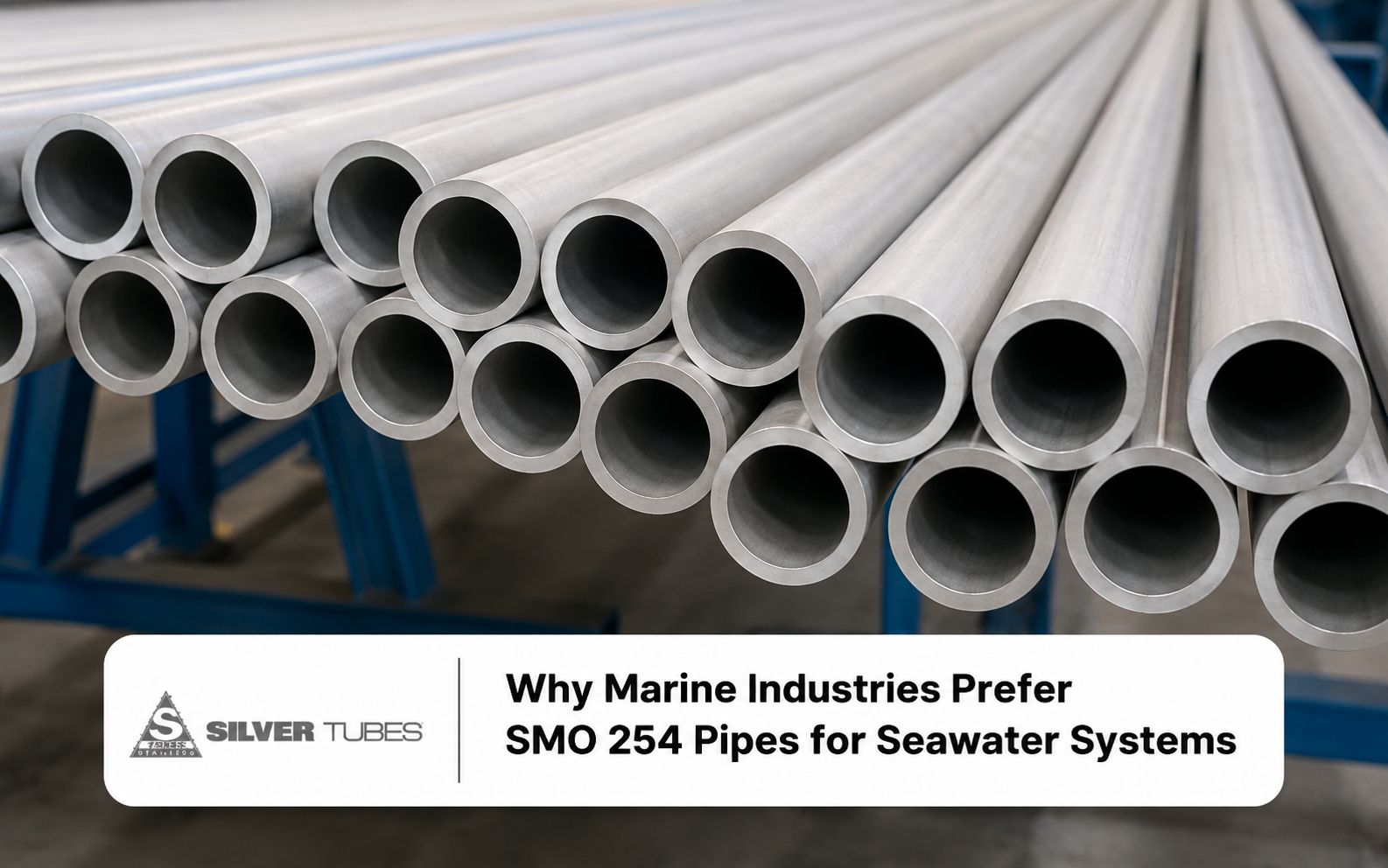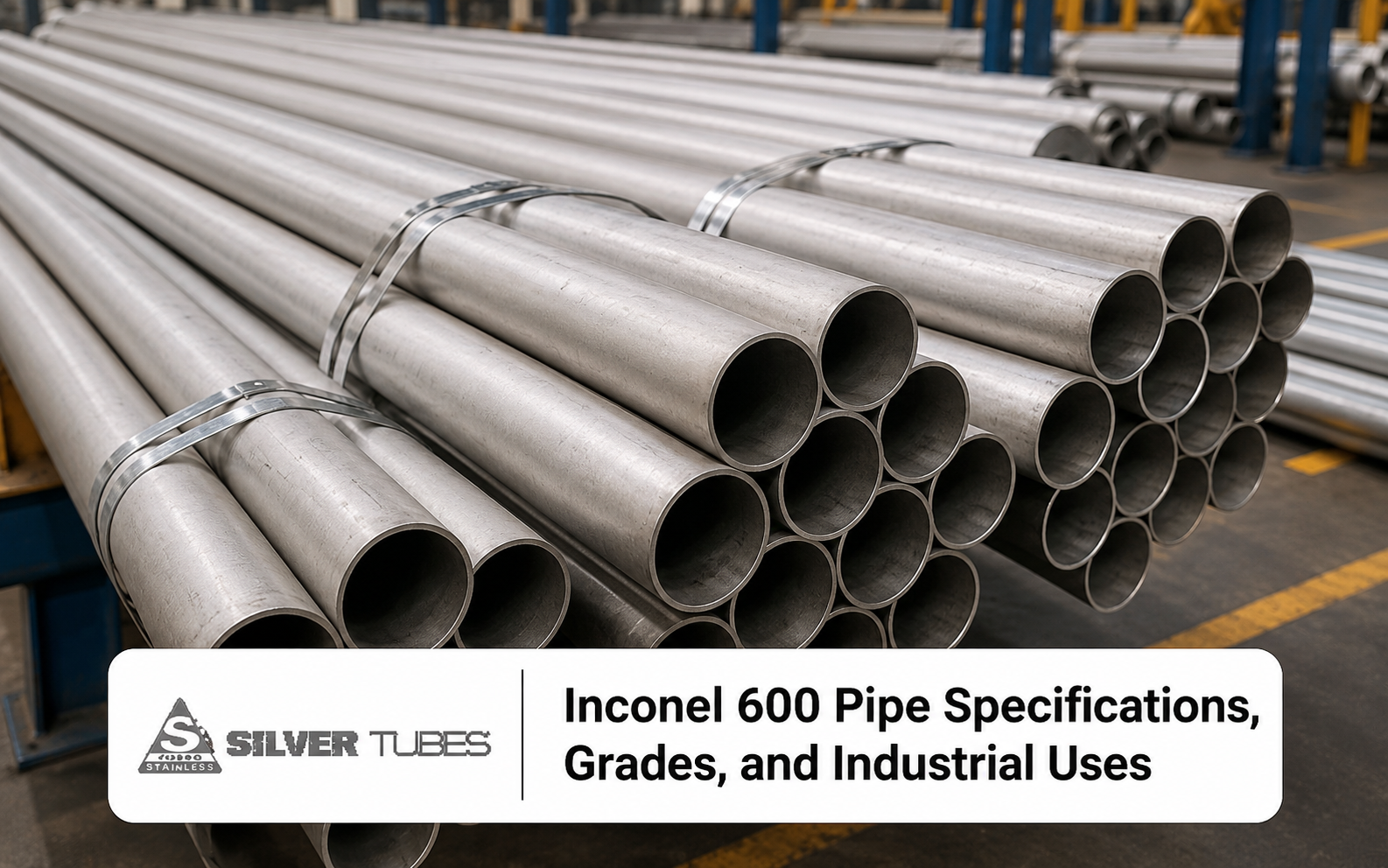


If you are new to the world of pipes and fittings, you might have heard the term Seamless Pipe and wondered what it means. In this simple guide, we will help you understand what a seamless pipe is, how it is made, its uses, and the different types available.
What is a Seamless Pipe?
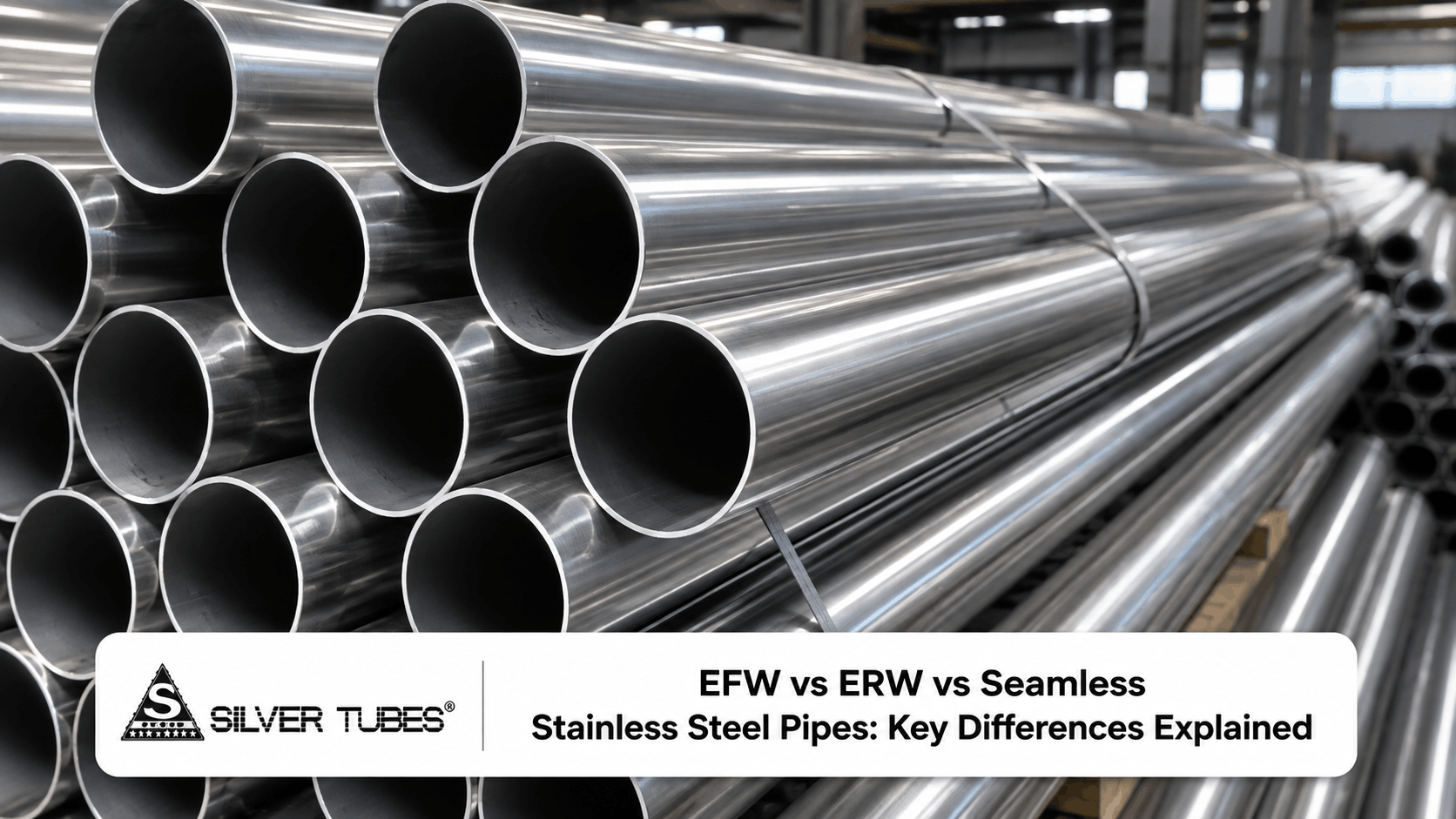
A Seamless Pipe is a type of pipe that does not have any weld or joint. It is made from a solid round piece of metal called a “billet.” This billet is heated and then stretched or rolled to form a hollow tube without any seam. Because there is no weld, seamless pipes are strong and can handle high pressure and temperature.
Why Use Seamless Pipe?
Seamless pipes are often used when strength, safety, and reliability are important. They are perfect for carrying fluids and gases in industries like oil and gas, chemical, power, and construction. Their smooth inner surface allows for better flow, and there is less risk of leakage compared to welded pipes.
How is a Seamless Pipe Made?
The process begins with a solid metal bar (billet), which is heated to a high temperature. A hole is then drilled through the center, and the metal is stretched and formed into a pipe shape. This method gives seamless pipes a smooth surface and uniform thickness, making them more reliable for critical applications.
Common Materials Used in Seamless Pipe
Seamless pipes can be made from different metals depending on where they are used. Some of the common materials include:
- Stainless Steel
- Carbon Steel
- Alloy Steel
- Duplex and Super Duplex Steel
- Nickel Alloys
- Copper and Copper Alloys
- Titanium
Among these, Stainless Steel is one of the most popular materials. It is known for its resistance to rust, durability, and clean appearance.
Popular Grades of Stainless Steel Seamless Pipe
Here are some common grades of Stainless Steel Seamless Pipe:
- 304 Stainless Steel – This is one of the most commonly used stainless steels. It is suitable for food and chemical industries. It offers good strength and corrosion resistance.
- 304L Stainless Steel – A low-carbon version of 304, used when welding is required.
- 316 Stainless Steel – Offers higher resistance to corrosion, especially against chemicals and saltwater.
- 316L Stainless Steel – A low-carbon version of 316, good for welding and high-temperature applications.
- 321 Stainless Steel – Ideal for high-temperature environments.
- 347 Stainless Steel – Good for use in areas with high stress and heat.
Sizes and Shapes Available
Seamless pipes come in different sizes and thicknesses. They can be round, square, or rectangular. The size and thickness depend on the use. For example, thick pipes are used for high-pressure systems, while thinner pipes are good for everyday use.
Where is Seamless Pipe Used?
Because of their strength and clean finish, Seamless Pipes are used in many industries, such as:
- Oil and Gas
- Power Plants
- Chemical and Petrochemical Industries
- Food Processing
- Construction and architecture
- Heat Exchangers and Boilers
Benefits of Seamless Pipe
- No Welds: Stronger and safer in high-pressure areas.
- Smooth Surface: Good for the flow of liquids and gases.
- Reliable: Fewer chances of failure.
- High-Temperature Resistance: Ideal for hot environments.
- Better Pressure Handling: Performs well in high-pressure conditions.
- Long-Lasting Performance: Durable and built for long-term use.
Conclusion
A Seamless Pipe is a strong, durable, and reliable pipe used in many industries. It is made from different metals and comes in various grades like 304, 316, and more. If you’re new to pipes, understanding seamless pipes is a great first step in learning how important they are in everyday life and industrial use.