
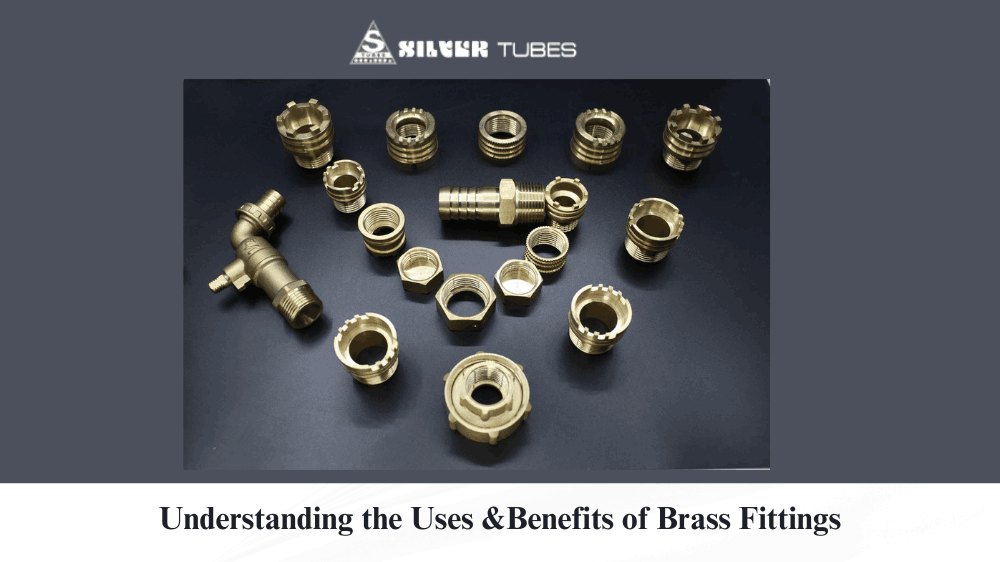
Brass fittings are essential components used in plumbing, gas systems, and industrial applications to connect pipes and regulate fluid flow. Known for their strength, durability, and corrosion resistance, these fittings are widely used for water supply, gas lines, and HVAC systems. Whether in residential or industrial settings, brass fittings play a crucial role in ensuring efficient and leak-free connections.
What Are Brass Fittings?
Brass fittings are pipe connectors made from a copper-zinc alloy, offering excellent resistance to corrosion and high temperatures. They are widely used in systems that require reliable sealing and longevity. Due to their versatility, brass fittings are suitable for both high-pressure and low-pressure applications, making them a preferred choice in many industries.
Different Types of Brass Fittings
Brass fittings come in various types, each designed for specific applications. Some common types include:
- Brass Butt Weld Pipe Fittings – These are welded directly to pipes, providing a strong and leak-proof connection.
- Brass Forged Fittings – Made using a forging process, these fittings are highly durable and ideal for high-pressure applications.
- Brass Pipe Fittings – Used to join or extend pipes, these fittings come in various shapes and sizes.
- Red Brass Fittings – Known for their higher copper content, red brass fittings are more resistant to corrosion, making them ideal for water and gas lines.
- Brass Elbow – These fittings change the direction of fluid flow within a piping system, available in different angles.
- Brass Tee – Used to connect three pipes, allowing the flow to be split or combined within a system.
Common Applications of Brass Fittings
Brass fittings are widely used across multiple industries due to their strength, corrosion resistance, and versatility. Some common applications include:
- Plumbing Systems – Brass fittings are extensively used in water supply lines and drainage systems for their durability and resistance to rust.
- Gas Lines – In natural gas and propane distribution systems, brass fittings provide secure and leak-proof connections.
- HVAC Systems – These fittings help in heating, ventilation, and air conditioning systems by ensuring proper airflow and fluid transfer.
- Industrial Applications – Industries like manufacturing and chemical processing use brass fittings for high-pressure fluid transport.
Why Are Brass Fittings Important?
Brass fittings are crucial in piping systems due to their excellent corrosion resistance, ease of installation, and ability to withstand high temperatures and pressures. Their malleability allows for easy shaping, while their durability ensures a long lifespan. In systems where reliability and leak prevention are key, brass fittings provide a dependable solution.
How to Choose the Right Brass Fitting
Selecting the right brass fitting depends on several factors, including the type of system, pressure requirements, and environmental conditions. Brass Forged Threaded Fittings are ideal for high-pressure systems, while Brass Seamless Pipe Fittings offer smooth flow and high strength. In applications that require precise size adjustments, a Brass Reducer ensures a proper connection between pipes of different diameters.
Benefits of Using Brass Fittings
- Corrosion Resistance – Brass fittings resist rust and corrosion, making them ideal for water and gas applications.
- Durability – Their strong construction ensures a long lifespan and reliable performance.
- Heat Resistance – Brass fittings can withstand high temperatures without losing their strength.
- Easy Installation – These fittings are easy to install, repair, and replace compared to other materials.
Conclusion
Brass fittings play an essential role in piping systems by providing strong, leak-proof connections for water, gas, and industrial applications. Whether using ASTM B687 Brass Pipe Nipples for plumbing systems or a Brass Plug for sealing pipe ends, these fittings ensure efficiency and reliability. Their corrosion resistance and durability make them a preferred choice for long-term use. If you need high-quality brass fittings, selecting the right type for your project ensures a secure and long-lasting installation.