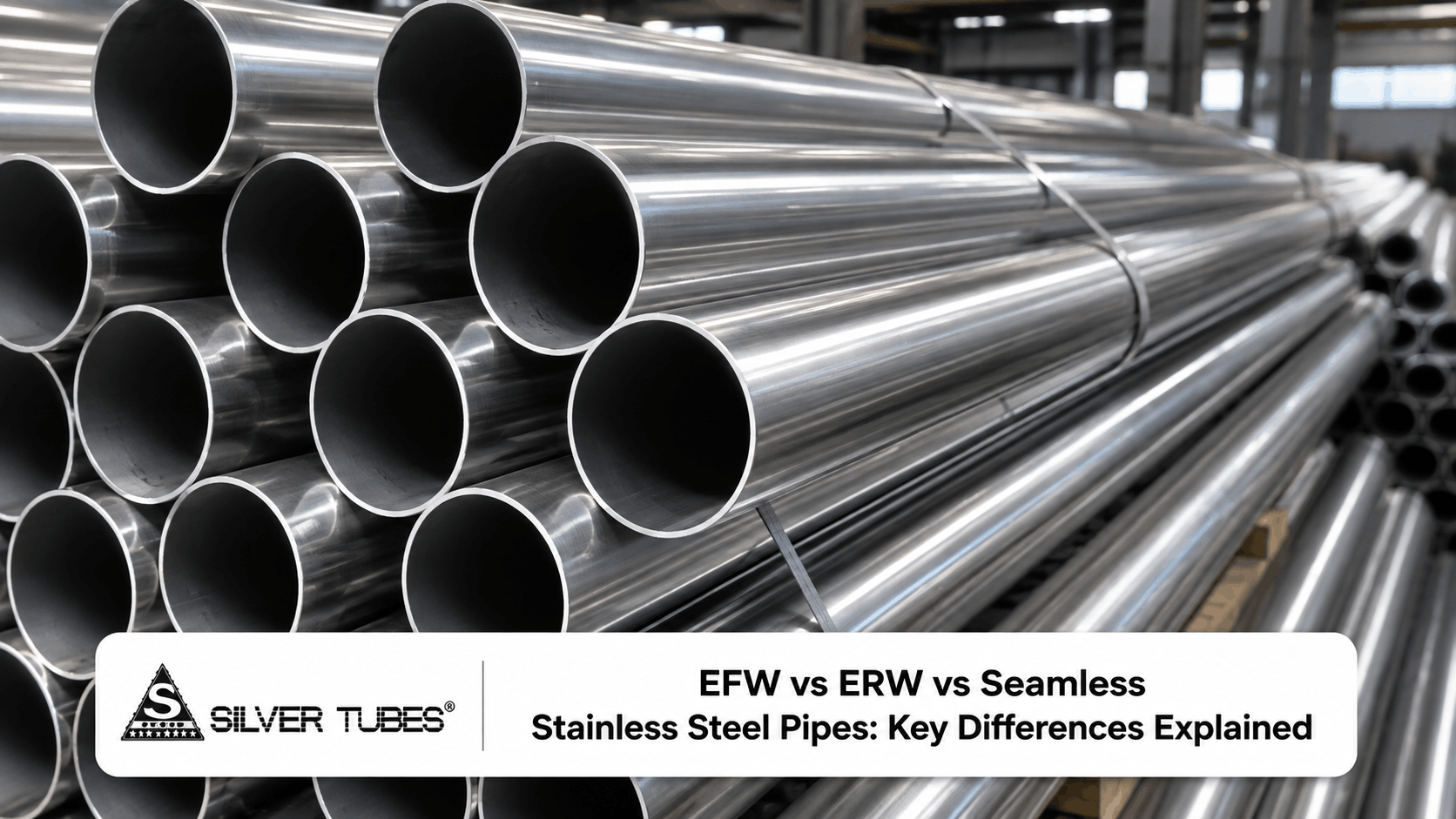

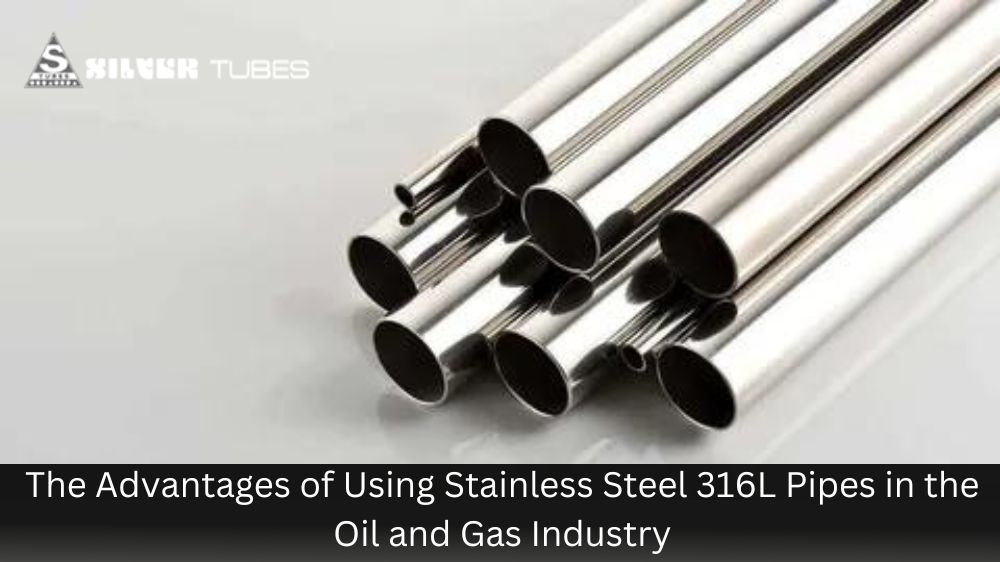
Stainless steel 316L pipes are the ideal choice for the oil and gas industry due to their excellent mechanical properties, superior corrosion resistance, and high-temperature tolerance. These pipes offer a wide range of advantages for oil and gas applications, including a reduced risk of system failure, increased safety, and longevity. This blog post will delve into the advantages of using stainless steel 316L pipes in the oil and gas industry.
What is Stainless Steel 316L Pipes?
Stainless Steel 316L Pipes are corrosion-resistant pipes made from a low-carbon version of alloy type 316. They have excellent chemical and chloride exposure resistance, making them ideal for corrosive environments such as oil refineries, food processing equipment, textile dyeing plants, and more.
Advantages of Using Stainless Steel 316L Pipes in the Oil and Gas Industry
Corrosion Resistance
In the oil and gas industry, pipelines and equipment are exposed to harsh environments that can cause corrosion and rust, leading to system failure. Stainless steel 316L pipes offer excellent resistance to these elements, making them an ideal choice. This is because they contain molybdenum, which provides better resistance to saltwater and chloride environments than other grades of stainless steel. This property of stainless steel 316L makes it an excellent choice for the oil and gas industry.
High-Temperature Tolerance
Oil and gas production requires high-temperature environments that require pipes that can withstand these temperatures. Stainless steel 316L pipes offer excellent high-temperature resistance, making them ideal for oil and gas applications. They can withstand high thermal stresses without experiencing deformation or loss of mechanical properties. Moreover, these pipes can easily handle temperature fluctuations, reducing the risk of system failure.
Durability and Longevity
Stainless steel 316L pipes offer exceptional durability and longevity compared to other materials. They resist destructive elements, including corrosion and abrasion, making them ideal for use in demanding environments. The ruggedness of these pipes ensures they can withstand challenging environments and heavy usage without getting damaged easily. As such, they are an excellent investment for companies in the oil and gas industry, as they offer long-term benefits.
Sanitation and Hygiene
Stainless steel 316L pipes are also ideal for oil and gas industry applications that require a high degree of cleanliness, such as food processing and pharmaceuticals. The pipes are easy to clean and sanitize, as they have no pores or cracks where bacteria can accumulate. This makes them ideal for use in industries where hygiene is paramount, further expanding their range of applications.
Cost-Effective
Stainless steel 316L pipes may cost more initially than other materials, but they offer long-term cost savings for the oil and gas industry. This is because they require minimal maintenance, have a long life span, and are resistant to corrosion and other destructive elements. This makes the pipes a cost-effective solution that can help reduce downtime, repair, and overall maintenance costs.
Conclusion:
The advantages of using stainless steel 316L pipes in the oil and gas industry are manifold. They offer excellent resistance to high temperatures, corrosion, and wear, leading to increased safety, system longevity, and cost savings in the long run. They also provide unparalleled sanitation and hygiene, making them ideal for use in industries such as food processing and pharmaceuticals. With its numerous benefits, it is no surprise that stainless steel 316L pipes are the ideal choice for the oil and gas industry.