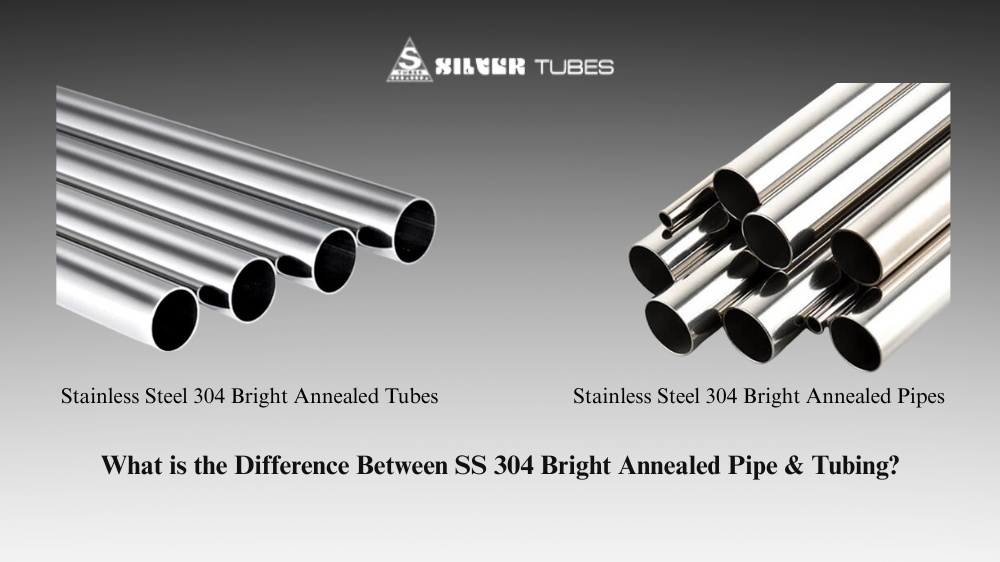


Seamless pipes are essential in all industries due to their superior reliability and versatility. These pipes are manufactured without a welded seam, are strong and durable and are therefore suitable for high-pressure and high-temperature applications. This blog is an overview of the types and applications of Stainless Steel Seamless Pipes, their uses and installation approaches and their importance in current engineering and construction activities.
Uses of Seamless Pipes
Seamless pipes are widely used in industries where precision, strength, and reliability are critical.
Oil and Gas Sector:
The oil and gas sector heavily relies on seamless pipes for transporting crude oil, natural gas, petroleum, and refined products. These pipes are capable of withstanding high pressure, extreme temperatures, and corrosive environments, making them ideal for pipelines and drilling operations.
Power Plants and Refineries:
Seamless pipes are used extensively in power plants for steam distribution, heat exchangers, and boiler systems. Their ability to maintain structural integrity under high temperatures and pressures makes them essential for power generation equipment.
Chemical and Petrochemical Industries:
In chemical processing plants, seamless pipes are used for conveying chemicals, acids, and other fluids. Their corrosion resistance and ability to handle harsh substances make them a reliable choice for these applications.
Automotive Sector:
In the automotive industry, seamless pipes are used for manufacturing critical components such as fuel injection systems, suspension systems, and hydraulic cylinders. Their precision and strength ensure reliability in vehicle performance.
Construction and Infrastructure:
Seamless pipes are a key material in construction projects, especially in high-rise buildings and bridges. They are used in structural applications due to their ability to bear heavy loads and resist deformation over time.
Aerospace Applications:
The aerospace industry demands materials that are lightweight, strong, and reliable. Seamless pipes are used in hydraulic systems, aircraft engines, and landing gear systems, meeting stringent safety and performance standards.
Types and Grades of Seamless Pipes
Seamless pipes are available in various grades and types to suit different applications. The choice of a specific type of seamless pipe is based on material requirements, pressure conditions and environmental factors. Some common grades and types include:
- Carbon Steel Seamless Pipes: The most commonly used seamless pipes are low to medium carbon steel. Because they are inexpensive and very strong, they are ideal for structural and industrial applications.
- Alloy Steel Seamless Pipes: The alloying elements within these pipes are chromium, molybdenum, or nickel, which improve the material’s ability to withstand heat and corrosion. They are mainly used in power plants and chemical processing industries.
- Stainless Steel Seamless Pipes: The pipes are highly resistant to corrosion and are thus suitable for harsh environments such as marine, food processing and pharmaceutical industries.
- High-Temperature Alloy Seamless Pipes: It is manufactured for use in high temperature and pressure conditions typical of power generation, petrochemical and oil refinery applications.
- Nickel Alloy Seamless Pipes: Offering excellent resistance to corrosion and oxidation, these are used in the chemical and aerospace industries.
Installation of Seamless Pipes
Accurate installation of seamless pipes is essential for the performance and durability of pipes. In the following steps the pipes are examined to see if there are defects present. Measurements must be precise to ensure perfect pipe fitting avoiding unnecessary stress on the system.
Seamless pipes have been joined by threading, welding or flanging according to design needs. Specialized instruments and devices are generally employed to cut, bevel and align the pipes precisely. The joints are rigorously checked both for leak tightness and for good coatings which are applied to improve the corrosion resistance in open conditions.
These seamless pipes are used in a number of industries for their strength, durability and performance. There is a wide range of applications and proper installation techniques ensure their long term reliability, with their diverse types.
Conclusion
Seamless pipes are integral to numerous industries due to their strength, durability, and adaptability. Their precision joining methods, such as threading, welding, or flanging, ensure reliability in even the most demanding applications. Proper installation techniques and corrosion-resistant coatings further enhance their performance and longevity. With their versatility and robust design, seamless pipes continue to be a trusted choice for critical industrial applications worldwide.