


3 Marvelous Benefits of Using Seamless Pipes

To make a seamless pipe, a solid, circular billet of steel is first formed. By heating the billet to extremely high temperatures, a tube is then formed by stretching and pressuring the billet over a form until it takes on the shape of a hollow tube. This process has three significant advantages. 3 Benefits of […]
All You Need To Know About Stainless Steel 304 Tubes

Stainless steel 304 is an austenitic chromium-nickel alloy that resists corrosion better than plain carbon steel. About 18% chromium and 8% nickel form a self-repairing oxide layer, keeping the metal ductile at low temperatures. This balance makes 304 the most specified stainless grade in general fabrication. Stainless Steel 304 Tubes built from this alloy serve […]
Characteristics and Features of Inconel 600

Inconel 600 is a nickel-chromium-iron alloy that is frequently used during heat and corrosion resistance applications. It is frequently used in engineering applications because of its high workability and strength. Chromium is also nonmagnetic and resistant to sulphur compounds, as well as oxidising conditions at high temperatures or in corrosive solutions. Only cold-working techniques can […]
What Are The Uses Of Alloy 20 Tubes

Alloy 20 is a corrosion-resistant alloy whose composition is based on iron, chromium, and nickel. Even in sulfuric acid-containing environments, Alloy 20 tubes work exceedingly well. The stabilization of the alloy is done by adding niobium to its chemical composition. This step is extremely crucial as it helps the alloy in resisting intergranular corrosion. Is […]
What Are Different Types Of Stainless Steel Rods
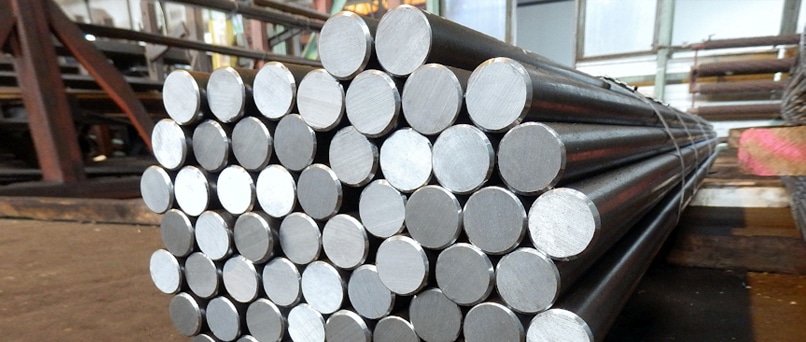
Stainless steel rods, known for their durability and resistance to corrosion, owe their strength to the “passivation” coating of chromium oxide on their surface. This protective layer is created due to the chromium present in the steel. With many applications, these rods find their way from simple doorknobs to essential components in mega-structures like skyscrapers. […]
Detailed Information Of 317L Stainless Steel Pipes And Tubes

Stainless steel has long been used successfully in a variety of industries. Aside from traditional and marine constructions, household appliances have also gained popularity. 300 Series stainless steels are classified as austenitic (non-magnetic) and are hardenable only by cold working methods. Today, we will learn more about the 317L variant of Stainless Steel. What is […]
Difference Between 304H and 347H Stainless Steel Tubes
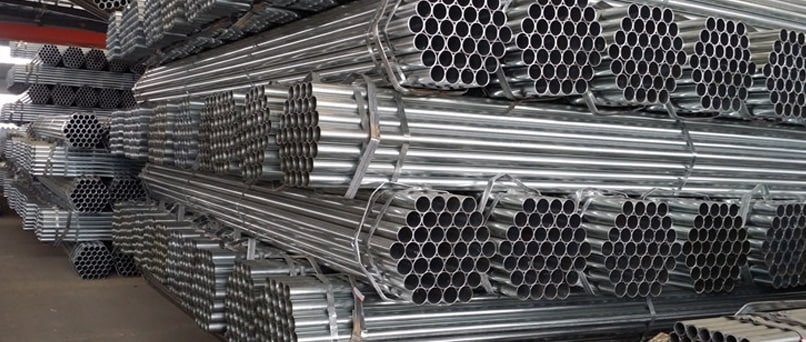
What is Stainless Steel? Stainless steel is a versatile component of a steel alloy and a small percentage of chromium — adding chromium increases the material’s corrosion resistance. This trait earned stainless steel its name. Since stainless steel has low maintenance, is oxidation resistant, and does not affect other metals with which it comes into contact, […]
What is the significance of Stainless Steel 310H EFW Pipes

Overview of Stainless Steel 310H EFW Pipes Stainless Steel 310H EFW Pipes are designed for high-temperature applications due to their excellent oxidation resistance. Comprising higher carbon content, they offer superior strength at elevated temperatures. Stainless Steel 310H EFW Pipes boasts enhanced durability, making it perfect for petrochemicals, heat exchangers, and furnaces. Their electric fusion welded (EFW) construction […]
Uses of SS 316 Seamless Pipes

SS 316 Seamless Pipes are a popularly known for uniform structure and excellent mechanical strength to sustain in higher pressure and temperature conditions. These seamless pipes are used to produce various types of fittings such as bends, tees and elbows. These seamless pipes are without joint so available in many sizes, and specifications as per […]
What Are the Benefits of Using Stainless Steel Pipes?
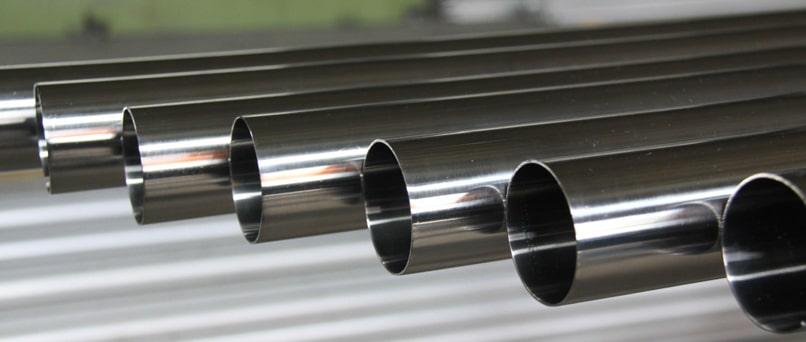
Sometimes it may be hard to determine if the steel pipe is appropriate for your specific application. There are many different types, grades and standards for stainless steel pipes, and a number of challenges may arise in choosing the best for its intended use. Other procedures, such as welding, will present their own set of […]